
Debunking nine common myths about gambling you probably believe
Myth One: Gambling is a sure way to get rich
One of the most prevalent myths surrounding gambling is the notion that it guarantees wealth. Many believe that hitting the jackpot is just around the corner, but the reality is quite different. Gambling games are designed to favor the house, meaning the odds are inherently stacked against players. For instance, slot machines have a return-to-player (RTP) percentage that typically hovers around 85% to 95%, which indicates that the house retains a significant portion of each bet. If you want to explore more about slot strategies, visit https://pirots-uk.co.uk/pirots-x/ for helpful insights.
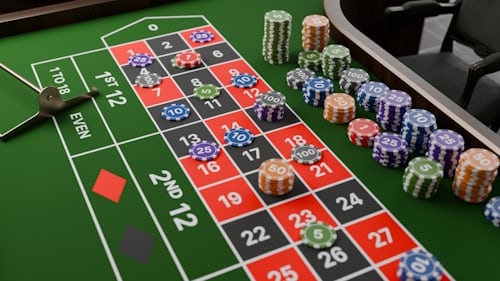
Additionally, the allure of easy money often clouds judgment, leading individuals to wager more than they can afford to lose. This can create a false sense of security that wealth is merely a game away. Over time, this belief can lead to financial distress, making it crucial to approach gambling as a form of entertainment rather than a reliable source of income.
Understanding the odds and the true nature of gambling can help dispel this myth. Players should consider setting a budget for their gambling activities and treat any winnings as a bonus rather than an expectation. This mindset fosters healthier gambling habits and minimizes the risk of financial loss.
Myth Two: You can win by using strategies
Another common misconception is that players can significantly increase their chances of winning by employing specific strategies. While certain games, such as poker, may involve skill, many gambling forms are based entirely on chance. In games like roulette or slots, no amount of strategy can alter the outcome, as these games rely on random number generators to determine results.
Some enthusiasts might argue that betting systems, such as the Martingale method, can lead to consistent profits. However, these strategies often fail in practice. In fact, they can lead players to chase losses and ultimately result in greater financial ruin. Understanding the limits of strategy in gambling is essential for maintaining a realistic perspective.
For many players, the excitement comes from the thrill of chance rather than a calculated approach. Embracing the unpredictable nature of gambling can foster a more enjoyable experience, allowing players to appreciate the game without the pressure of winning consistently. Remember that the house always has the edge, and no strategy can change that fundamental truth.
Myth Three: Gambling is only for the rich
There’s a prevalent belief that gambling is an exclusive pastime reserved for the wealthy. In reality, gambling caters to a broad spectrum of budgets and lifestyles. Many casinos and online gaming platforms offer a range of betting options, allowing individuals of all financial backgrounds to participate. From penny slots to high-stakes poker tables, there’s something for everyone.
This misconception may arise from the portrayal of gambling in media and film, where high rollers often dominate the scene. However, many players enjoy low-stakes games, where the thrill of winning doesn’t hinge on large bets. This inclusivity makes gambling accessible to those who simply seek entertainment without the need for excessive spending.
Moreover, the rise of online casinos has further democratized the gambling landscape. Players can now engage in their favorite games from the comfort of their homes, often with minimal entry costs. This shift has opened up new opportunities for casual gamers who may not have frequented traditional casinos, proving that gambling is not limited to the affluent.
Myth Four: Gambling addiction only affects certain people
Many people believe that gambling addiction is a problem that affects only a select few, often painting those who struggle with addiction in a negative light. However, gambling addiction can affect anyone, regardless of socioeconomic status, age, or background. The thrill of gambling can trigger addictive behaviors in even the most responsible individuals.
This myth can perpetuate stigma, preventing those who may be struggling from seeking help. Understanding that gambling addiction is a mental health issue can foster a more compassionate approach. Awareness and education about the signs of gambling addiction can empower individuals to seek help for themselves or support others in need.
Support groups and resources for those dealing with gambling addiction are crucial for recovery. Encouraging open conversations about gambling habits can help dismantle the misconception that addiction is rare or only affects ‘certain types’ of people. Acknowledging the pervasive nature of this issue is the first step toward fostering a healthier relationship with gambling.

The website offers reliable resources
The website serves as a comprehensive resource for those interested in gambling, providing a wealth of information and insights. From in-depth game reviews to responsible gaming tips, it aims to educate players about the various aspects of gambling. Users can find valuable information on the odds of different games, helping them make informed decisions.
Furthermore, the site promotes responsible gambling practices, guiding individuals on how to enjoy their gaming experiences without falling into the trap of addiction. With articles addressing common myths and misconceptions, users can gain a clearer understanding of the gambling landscape, empowering them to engage in their favorite activities responsibly.
By offering a platform for education and awareness, the website plays a vital role in shaping a healthier gambling culture. Whether you’re a seasoned player or new to the world of gambling, the resources available can significantly enhance your experience while promoting safe and responsible play.